DMR & NXDN Wide Area & In-Building Coverage
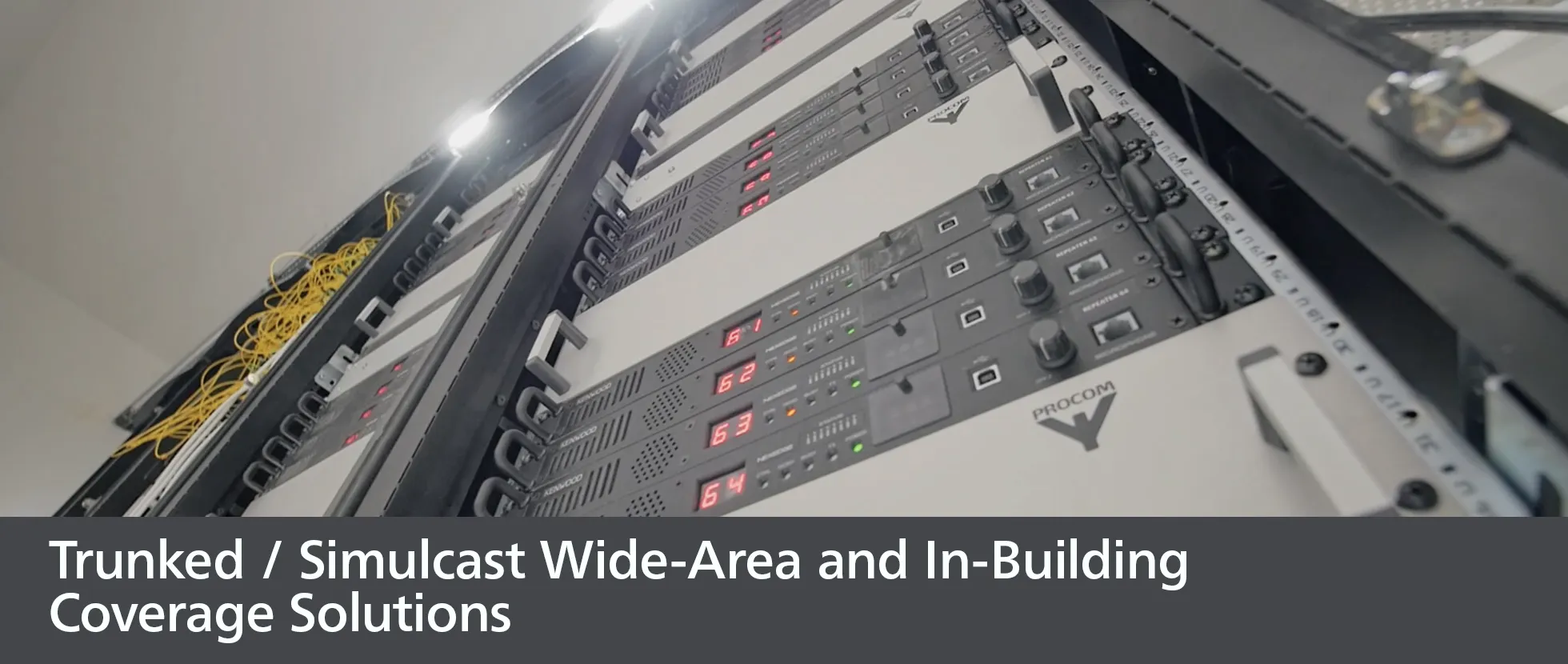
Wide Area In-Building Coverage
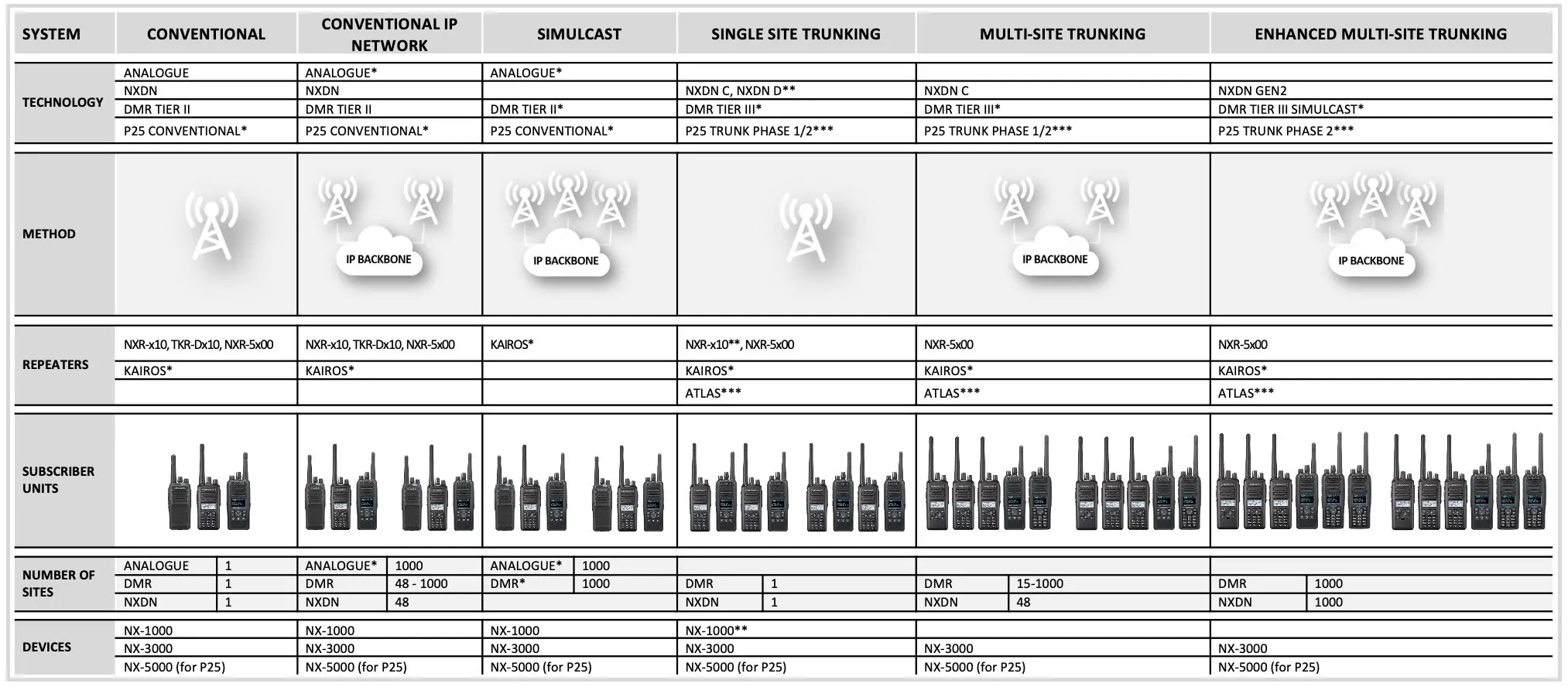
In addition to digital Conventional and Conventional IP linked systems, KENWOOD offers ITU Recognised NXDN Centralised Control (Type-C), Distributed (Type-D) and enhanced Type-C (Gen2) trunked solutions and ETSI DMR Standard TS 102 361-4 compliant DMR Tier III Trunked, Multi-Frequency and Simulcast systems which give users the ability to precisely match specific operational requirements in a cost-effective and future-proofed radio system solution.
Users migrating from analogue systems can be reassured that all KENWOOD digital systems support native analogue/digital mixed mode operation, allowing you to continue using existing analogue devices until they are replaced with digital devices.
KENWOOD NEXEDGE NXDN Trucking
KENWOOD NEXEDGE NXDN employs true 6.25kHz FDMA technology to offer greater spectrum efficiency, extended coverage and lower infrastructure costs. The low Bit Error Rate (BER) of NXDN improves clarity of reception in fringe areas, effectively increasing coverage by up to 30% increase in coverage area.
When compared to digital 12.5 kHz bandwidth technologies, the increased coverage of KENWOOD NEXEDGE NXDN results in significantly reduced infrastructure costs by requiring fewer sites to achieve the same coverage area.
Single Site NEXEDGE NXDN TYPE-D Trunking
KENWOOD NEXEDGE NXDN Type-D Trunking is a digital Logic Trunked Radio (LTR) protocol. Unlike Type-C trunking, there is no dedicated control channel in which all available system channels can operate as traffic channels. Like LTR, there is no registration. This cost-effective solution thus offers spectrum efficiency and simplicity in single-site operations.
► More Info on Type-D Trunking
MULTI-SITE NEXEDGE NXDN TYPE-C TRUNKING
Type-C (Centralised Control) uses a dedicated control channel in a distributed architecture. The trunking controller embedded in each repeater offers excellent redundancy and an extremely robust multi-site network. NEXEDGE Type-C trunking provides increased capacity, enhanced call capabilities, improved security and faster communications with less user interaction than conventional systems. The system automatically pools resources across multiple sites and assigns channels for faster, efficient use of the available spectrum.
Enhanced NEXEDGE NXDN Gen2 Trunking
KENWOOD NEXEDGE Gen2 (Generation 2) offers a quantum leap in trunked network size and capacity: the maximum number of Type-C sites that can be connected is in excess of 1,000, while up to 64 channels can be accommodated in a single site. NEXEDGE For users requiring large-scale digital trunked networks, Gen2 has the features, capabilities and performance to satisfy all requirements.
► More Info on Gen2
DMR TIER III Trucking
KENWOOD DMR Tier III Trunking is ETSI DMR Standard TS 102 361-4 compliant and employs a Trunked System Controller (TSC) in an IP-based system architecture with a dedicated control channel to optimise capacity and system availability.
A KENWOOD DMR Tier III system can be configured to accommodate a virtually unlimited number of sites with up to 400 channels per site and with the addition of KENWOOD’s powerful and cost-effective KAS-10 and KAS-20 AVL and Dispatch applications, Tier III compatible repeaters and NX-3000 and NX-5000 Series portable and mobile radios, a single or multisite DMR Tier III trunked system has never been easier.
DMR TIER III Trunking
KENWOOD DMR Tier III-based trunking is the ideal solution for high-density users who want to take advantage of the advanced Tier III features that an open standard provides. The distributed architecture allows for single or multiple soft trunking controllers, while managed by a Network Management System (NMS) controller and network.
More Info on DMR TIER III Trunking
DMR TIER III Simulcast
A KENWOOD DMR Simulcast network allows all repeaters to synchronise transmissions in time, effectively creating a large single cell which significantly reduces the time required for transmissions to reach a radio terminal or to locate the correct base station. Radios connected to a KENWOOD Simulcast network can move from one radio site to another without the need for the user to change channels. The ability to migrate between sites seamlessly allows dispatchers to broadcast to all sites simultaneously, secure in the knowledge that communications will automatically be channelled to the site with the strongest signal.
KENWOOD DMR TIER III Simulcast
Multiple KENWOOD DMR Tier III single-site systems can be connected together over an IP network to create a Simulcast DMR Tier III trunking system, where a distributed software controller can be deployed to provide enhanced redundancy.
► More Info on DMR TIER III Simulcast
Explore More
Software Suite
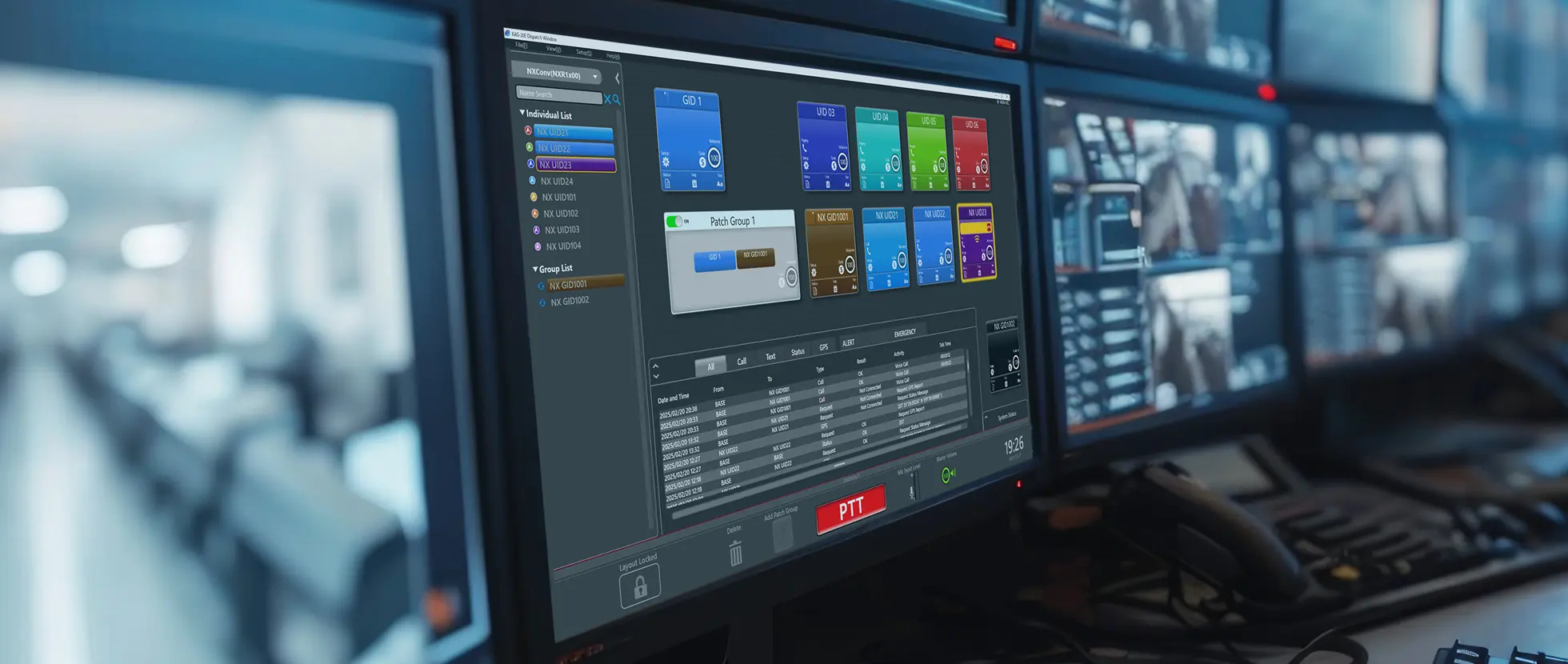
Empower your KENWOOD NEXEDGE NXDN or DMR operations with cost-effective and simple-to-implement KAS-20E Dispatch software suite.
Case Studies
From Airports to Ambulance Services, read more about how KENWOOD trunked and simulcast systems are put to use around the world.
Enquiry
Got an enquiry about how a KENWOOD DMR OR NXDN trunked system can meet your needs. Reach out and start the conversation.